
This is an old revision of the document!
Table of Contents
The Ocean Connects Us
A CGF UK event. 1 March 2017 at the Trinity Buoy Wharf (in collaboration with Marine CoLABoration and FoAM)
The ocean sustains life on earth – the wellbeing and prosperity of us all – but faces immediate existential threats to its health and functioning. The public remains largely unaware of this and ocean protection is a pretty low priority on national and international agendas. The issues are multi-dimensional and no one sector can address them alone. Science, conservation, policy, art, business, all are playing a role, often in new, exciting and increasingly joined-up ways. The Ocean Connects Us was a daylong event at the Trinity Buoy Wharf on the bank of the River Thames. It was a day of participatory experiences, learning and exchange – including the launch of new research from the FrameWorks Institute into how the public thinks about marine conservation – to build on what works, strengthen existing connections, seed new ones and explore possible new approaches in communicating the value of the ocean in people’s lives. -CGF UK, #Oceanvalue

The Ocean Connects Us was designed to share and learn from each other about communicating the value of the ocean. After short framing speeches by Martin Essayan and Heather Koldewey, the morning began with exchanging past experiences of valuing the ocean, to then observe what is emerging from the participants’ current collaborations. During and after lunch the participants were invited to visit the Longplayer installation in the adjacent lighthouse and have spent time immersed in artworks by Mariele Neudecker, John Wedgwood-Clarke and Rob Mackay (curated by Invisible Dust). The afternoon was focused on investigating how to more effectively communicate the value of the ocean, today and in the future. First by hearing from Moira O’Neil from the Frameworks Institute about their report Getting Below The Surface, then by applying the institute's findings as recommendations to concrete projects. The conversation moved towards the future of the sea with a short speech by Henry Green, as an introduction to the last participatory session. The participants distilled insights from the day as questions and principles towards a manifesto for an ocean friendly society. The event continued during an informal reception including speeches by the director of CGF UK Andrew Barnett and a retired commodore and member of the Trinity House. The evening concluded with an informal celebration where the participants had a chance to decompress together in an inspiring ambience.
Photos of the event, including a selection of notes from participatory sessions: The Ocean Connects Us Album

Flow of the day
Frame

Introductory remarks by:
- Louisa Hooper, welcoming the delegates to the event…
- Martin Essayan about the Calouste Gulbenkian Foundation and their engagement with the ocean, the motivation for the event and results of the pre-event delegate survey
- Maja Kuzmanovic about the lab approach, participatory process and guidelines for engagement
Sense
Participatory session: Think of a situation in your life when you experienced a strong connection to the ocean. Where were you? What did you do? How did you feel? What made this situation possible? What did you value about the ocean in this situation?
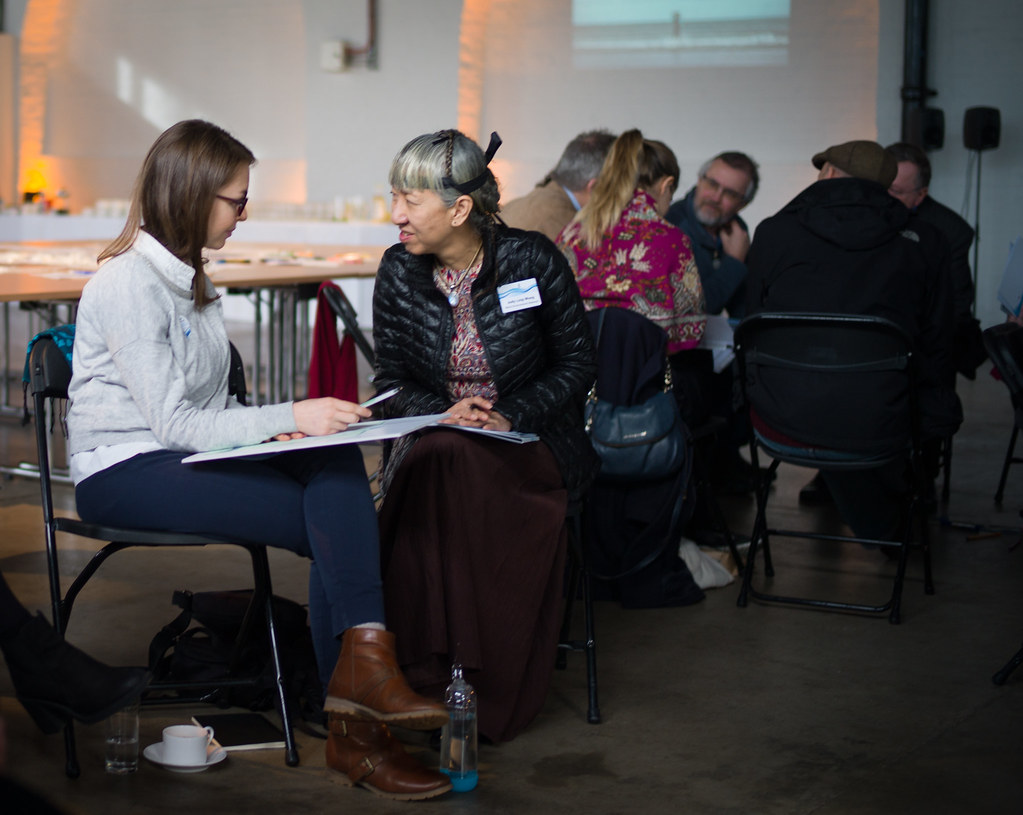
The multiplicity of ocean values distilled from personal experiences of the participants:
- Awe-inspiring, humbling: vastness, remoteness, scale, infinity
- (Intrinsic) Beauty, peace, tranquility
- Wildness, wonder, mystery, otherworldly
- Power
- Freedom, liberating
- Isolation, fear
- Exploration, adventure
- Responsibility
- Family and childhood (fun, play, joy), holidays and relaxation
- Community and identity, Social bonding
- Provider of livelihoods, life-giving
- Connecting (continents, people, reconnecting to nature)
- Broadening horizons, the unknown (opportunities)
- Provider returned HTTP Status 404 for
- All resolution methods failed
Core values of the ocean, from one of fifteen breakout groups
Observe
Participatory session: Collaborative ecosystems: a broad picture of the current situation
What are some interesting examples of working together to communicate the value of the ocean, or more generally to improve the health of the ocean? Each participant described one example of current or realised work. The examples were discussed and visually mapped.
OEmbed Error- Provider returned HTTP Status 404 for
- All resolution methods failed
- Provider returned HTTP Status 404 for
- All resolution methods failed
- Provider returned HTTP Status 404 for
- All resolution methods failed
- Provider returned HTTP Status 404 for
- All resolution methods failed
- Provider returned HTTP Status 404 for
- All resolution methods failed
- Provider returned HTTP Status 404 for
- All resolution methods failed
- Provider returned HTTP Status 404 for
- All resolution methods failed
- Provider returned HTTP Status 404 for
- All resolution methods failed
- Provider returned HTTP Status 404 for
- All resolution methods failed
Examples of project descriptions and collaborative ecosystems mapping

How do the collaborations relate to each other? What challenges, questions and hypotheses are emerging?
- Communication: Communicating, listening, finding the right language (hope, parley…), translating language between partners; Building trust and commitment, openness of communication; Ocean literacy, learning and communication is key to mainstreaming environmental messaging
- Values: Finding shared values ('win-win'), finding common ground (while acknowledging complexity), talking about values, planning, collaboration, compromise and trade-offs; Finding connections, uniting stakeholders, celebrating success; Inclusive engagement, fostering relationships, working together, forging new/unusual alliances, diversity of skills and perspectives as added value, including mavericks
- Common themes and approaches: Sustainable seafood, developing our knowledge and understanding, ocean protection, physical connection to oceans, cultural connections to oceans (including pleasure and recreation), ocean pollution (including plastic and acidification), ethics, positive focus, fun, de/resensitising, reactive/responsive, happiness, social conflict resolution, finding allies, consensus building, convening, research, social intervention, building public support, providing support to enable change, appealing to people’s self-interest, What values work? There are different values for different audiences. How do you speak to those values? Can we afford doing this tailored value-based communication? We all want significant scale and ambition; we use raising public awareness as a tool to reach the goal.
- Collaboration; Leadership, governance, creating a political space, getting citizen mandate to force political and corporate worlds to act urgently; All partners need to see its benefits; Overcoming organisational pressures (recognition, fundraising, size of groups, vested interests, losing egos…); There are different roles in collaborations connected to partnerships and a sense of identity (including funders, volunteers and different 'personalities'); Differences in approaches: critical/friend/partner/advisor/facilitator; systemic change or focus on single audience/issue/locale; Benefits of collaboration: exchanging, curiosity, interaction, engagement, communication, community; Collaborative ecosystems include collaborations with different sectors - NGOs with industry (partnerships, metrics)/government (accountability, access)/communities (citizen science, education, ethical consumerism…).
- Challenges: money, language (common/right), mobilisation (buy-in form key players), distrust of science, overcoming self-interest, prioritising, balancing the economic and intrinsic values, framing positively, how to make the long term tangible, public disconnect, winners+losers paradigm, lack of understanding about cultural motivations and value; how to make collaboration sustainable (when funding finishes); how to get communities to take ownership to act themselves (empowerment); the scale of the ocean is a challenge - it is vast and there are so many actors needing to collaborate; Scalability, disconnect between social and ecological needs, accountability; Awareness of wider landscape; trust in finding mutual goals away from logo-ego…
- Impact: Innovation + scale, optimising resources, multiplier effects; Noise vs actual impact (understanding what true impact would be); Specificity of objectives and vision is important to align strategies, target the right audiences and improve measurability. What outcomes do we want? Save the ocean! Halt and reverse threats. Ocean is used and valued, there is a balance cf. interests. More people care, feel empowered and take action. There needs to be a legislative change.
- Provider returned HTTP Status 404 for
- All resolution methods failed
- Provider returned HTTP Status 404 for
- All resolution methods failed
- Provider returned HTTP Status 404 for
- All resolution methods failed
- Provider returned HTTP Status 404 for
- All resolution methods failed
- Provider returned HTTP Status 404 for
- All resolution methods failed
Collaborative Ecosystems, mapping exercise by “The Beach” breakout group
Experience
How do artists communicate the value of the ocean?
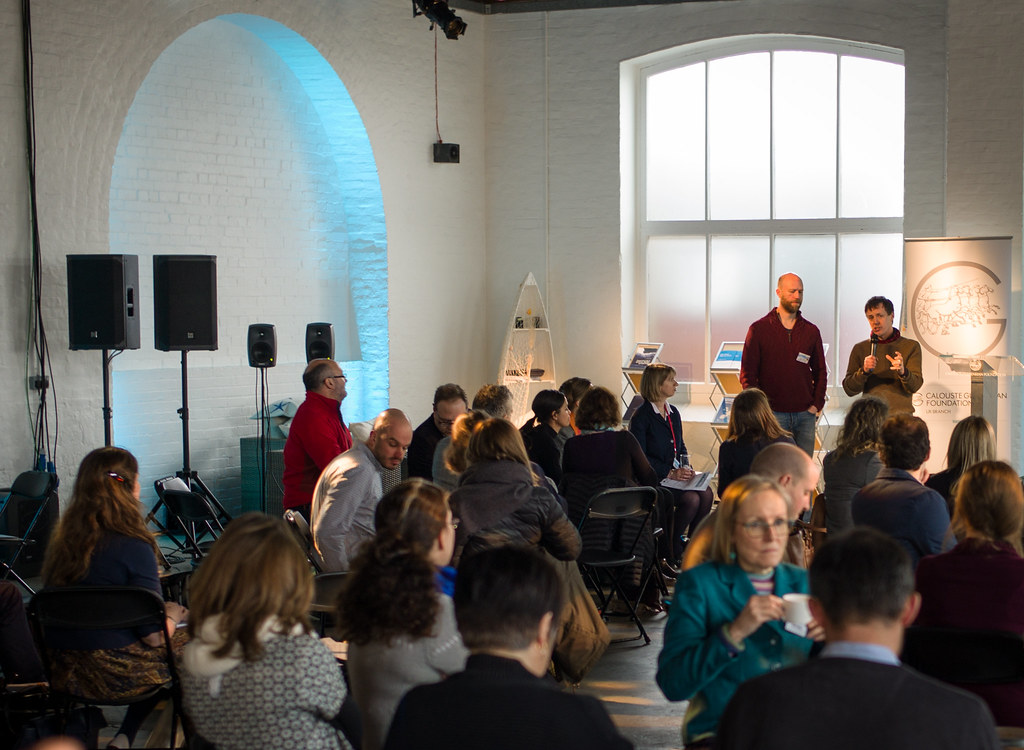
Showcase of three artists' works from the upcoming exhibition Offshore:artists explore the sea. Video installation by Mariele Neudecker, and a site-specific sound piece by poet John Wedgwood-Clarke and sound artist Rob Mackay, curated by Invisible Dust.
In addition to the pieces that were curated as part of the programme, the participants had an opportunity to visit the Longplayer installation in the adjacent lighthouse.
Investigate
Presentation by Moira O’Neil from the Frameworks Institute about their report Getting Below The Surface: Mapping the gaps between expert and public understanding of the ocean and marine conservation in the United Kingdom
Room recording of Dr O'Neil's presentation (mp3)
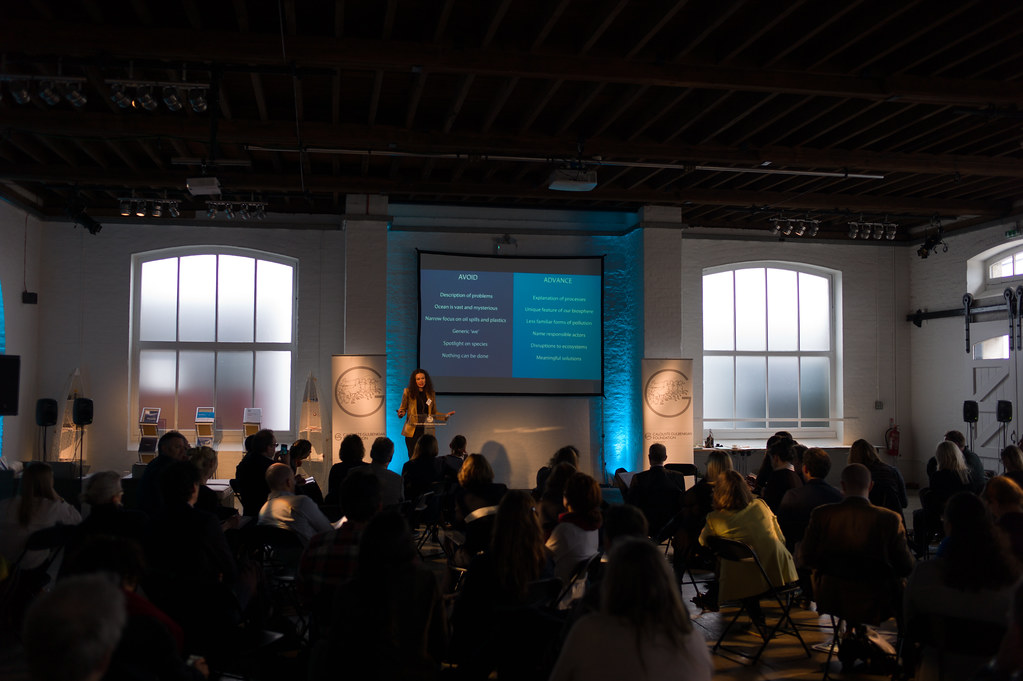
Summary of Frameworks recommendations
Avoid:
- Description of problems
- Ocean is vast and mysterious
- Narrow focus on oil spills and plastics
- Generic “we”
- Spotlight on species
- Nothing can be done
Advance:
- Explanation of processes
- Unique feature of our biosphere
- Less familiar forms of pollution
- Name responsible actors
- Disruptions to ecosystems
- Meaningful solutions
Prototype
Participatory session: How to apply insights from the Frameworks research to some of the participants’ initiatives? How could the changes be prototyped with minimum time and resources? In a collective consulting session, the participants offered a set of suggestions for the people involved, as well as recommendations that could be more widely applicable.
OEmbed Error- Provider returned HTTP Status 404 for
- All resolution methods failed
- Provider returned HTTP Status 404 for
- All resolution methods failed
- Provider returned HTTP Status 404 for
- All resolution methods failed
- Provider returned HTTP Status 404 for
- All resolution methods failed
- Provider returned HTTP Status 404 for
- All resolution methods failed
- Provider returned HTTP Status 404 for
- All resolution methods failed
- Provider returned HTTP Status 404 for
- All resolution methods failed
- Provider returned HTTP Status 404 for
- All resolution methods failed
- Provider returned HTTP Status 404 for
- All resolution methods failed
- Provider returned HTTP Status 404 for
- All resolution methods failed
- Provider returned HTTP Status 404 for
- All resolution methods failed
- Provider returned HTTP Status 404 for
- All resolution methods failed
- Provider returned HTTP Status 404 for
- All resolution methods failed
Two examples of project recommendations from two breakout groups
Enact
Introductory remarks by Henry Green, UK Government Office for Science, Foresight Projects.
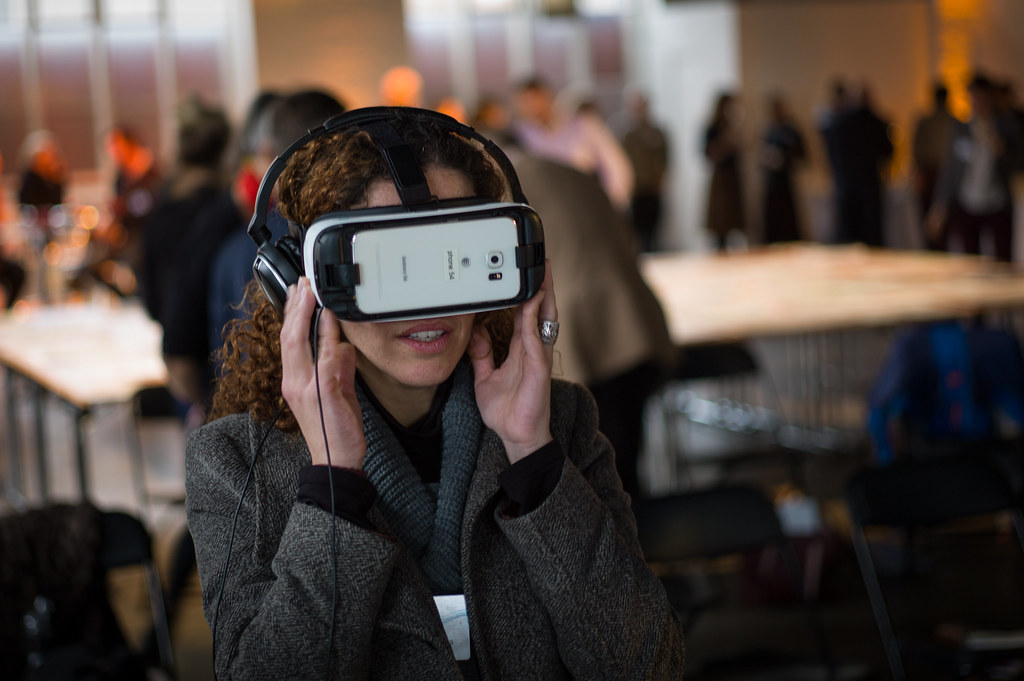
In the last participatory session the participants looked towards the future. They reflected on all that they experienced at the event and discussed how their findings could inform future collaborations and lead towards an ocean friendly society.
Room recording of the participants' reports from breakout group discussions (mp3).

Principles and questions towards an ocean friendly society…
- Work openly, cohesively and collaboratively
- Work constructively rather than competitively
- Think long term
- Foster ocean literacy
- Understand links between values and behaviour
- Make transdisciplinarity a norm
- Collaborate to create a common language; a universal ocean narrative, and consistent messages
- Foster government commitment and leadership to truly sustainable ocean management for all
- Hold governments (and others) to account
- Create a shared framework of values and vision that all sectors can buy into
- Understand your audience, how to connect to them. Don’t make assumptions. Get our of your bubble
- Present issues as a whole, find connection between issues - e.g. people and plant health, beyond economic
- Define achievable solutions and positive messaging with small steps so people can see their role (be careful not to reduce the issues)
- Monitor how people respond and watch for behaviour change, celebrate success and create feedback from interventions
- Work in a joined-up way, maintain non-competitive partnerships
- Increase education, ocean literacy and insure you are explaining, not describing
- Should we reframe the question? How can we move towards a people-friendly ocean?
- How might we reframe the message so that it communicates urgency but not crisis?
- How can we bring the ocean to people?
- If we can’t do this, who can we connect them to the ocean?
- How can we collaboratively 'reframe our messages on oceans to better convey value
- UK-wide ocean literacy?
- A shared vision of communicating the value of the ocean?
- Bridge the 'vast' ocean problem
- Who is the best communicator?
- What are our own assumptions? How do we understand them? How do we work with them?
- Provider returned HTTP Status 404 for
- All resolution methods failed
- Provider returned HTTP Status 404 for
- All resolution methods failed
- Provider returned HTTP Status 404 for
- All resolution methods failed
- Provider returned HTTP Status 404 for
- All resolution methods failed
- Provider returned HTTP Status 404 for
- All resolution methods failed
- Provider returned HTTP Status 404 for
- All resolution methods failed
- Provider returned HTTP Status 404 for
- All resolution methods failed
- Provider returned HTTP Status 404 for
- All resolution methods failed
One of fifteen Ocean Friendly Society posters
Celebrate
The formal part of the event ended with a short collaborative experiment, where the participants created and improvised a short vocal composition, based on messages they’d like to take away from the event.
Room recording of the vocal compostion (mp3).
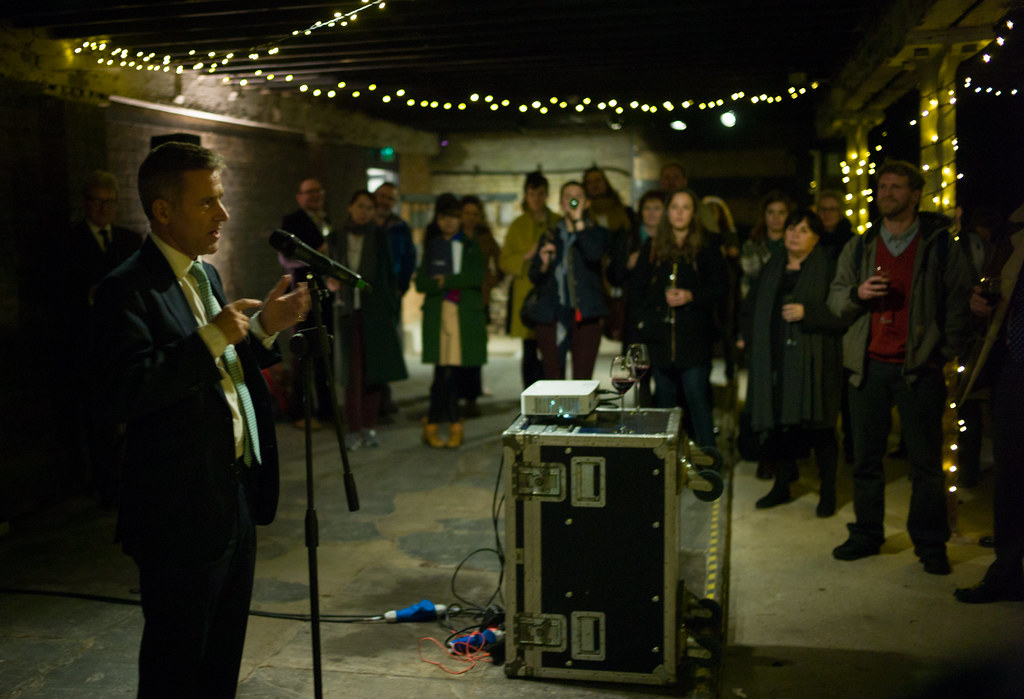
The group was invited for an informal reception, opened by the director of CGF UK Andrew Barnett.
—-
Event design by CGF UK and FoAM
OEmbed Error- Provider returned HTTP Status 404 for
- All resolution methods failed
- Provider returned HTTP Status 404 for
- All resolution methods failed
- Provider returned HTTP Status 404 for
- All resolution methods failed
- Provider returned HTTP Status 404 for
- All resolution methods failed
- Provider returned HTTP Status 404 for
- All resolution methods failed
- Provider returned HTTP Status 404 for
- All resolution methods failed
- Provider returned HTTP Status 404 for
- All resolution methods failed
- Provider returned HTTP Status 404 for
- All resolution methods failed
- Provider returned HTTP Status 404 for
- All resolution methods failed
'Starfish evaluation', filled by the participants at the end of the event